Acton Institute Powerblog Archives

Post Tagged 'cold war'

The Virtue of Patriotism

As an American who grew up amid the Cold War, patriotism had an obvious attraction. Who wouldn’t prefer the United States of America, the Declaration of Independence, the U.S. Constitution, the Bill of Rights, free markets, belief in God, and rock and roll over the gray, atheistic, materialistic totalitarianism of the Soviet Union. Continue Reading...
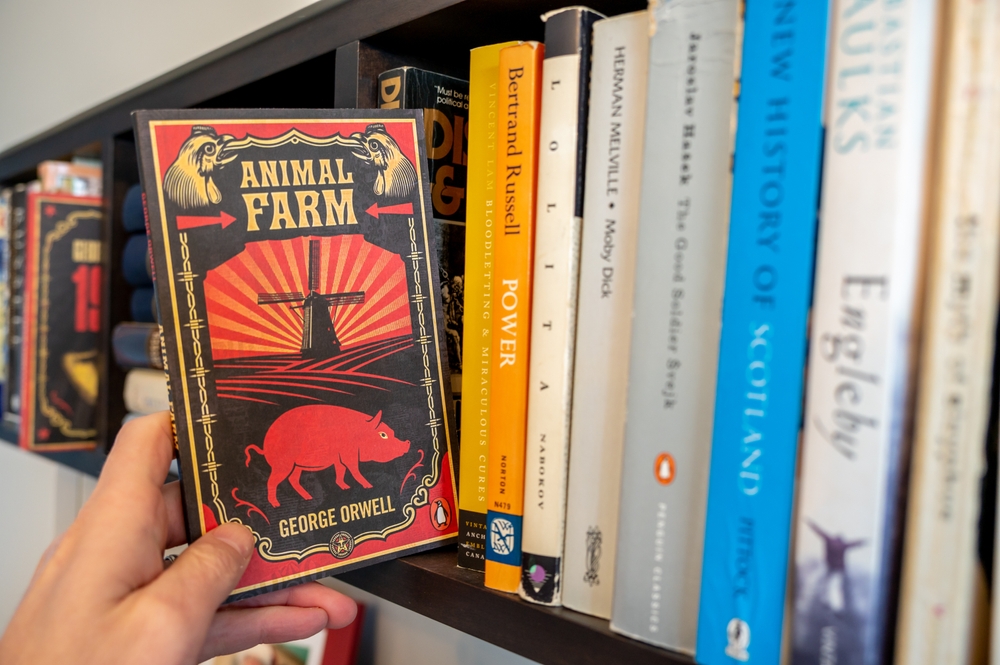
Animal Farm at 80

On August 17, 1945—just two days after V-J Day in Asia and fewer than two weeks after the atomic bombings of Hiroshima and Nagasaki—George Orwell published what he modestly called his “little squib”: Animal Farm. Continue Reading...

Fear and the Feeble Foundations of Ideology

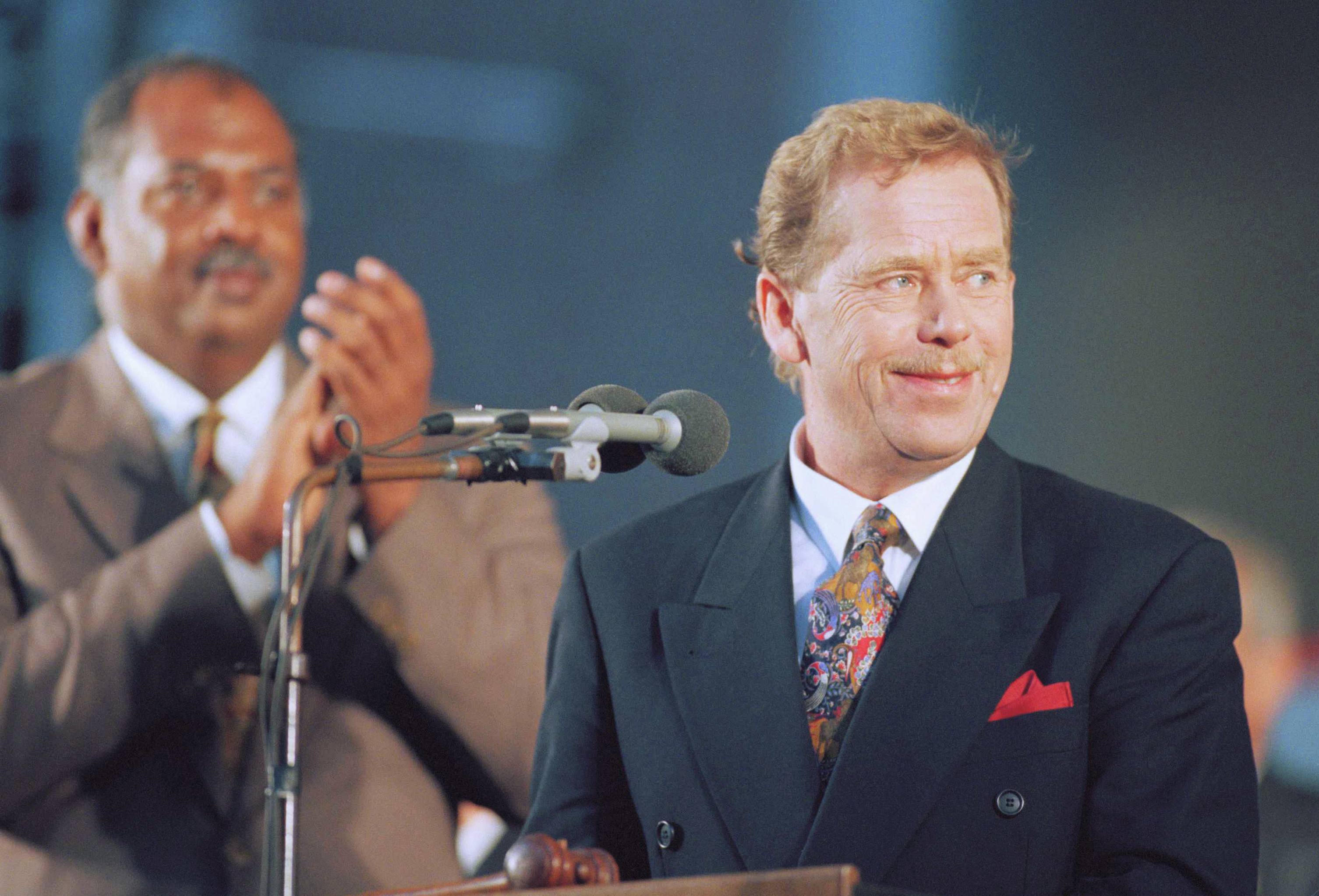
I recently read the monumental essay “The Power of the Powerless” (1978) by Soviet dissident Václav Havel and immediately began to draw parallels between how he describes socialist oppression and what I understand of diabolical oppression. Continue Reading...

Blessed Are the Well-Armed Peacemakers

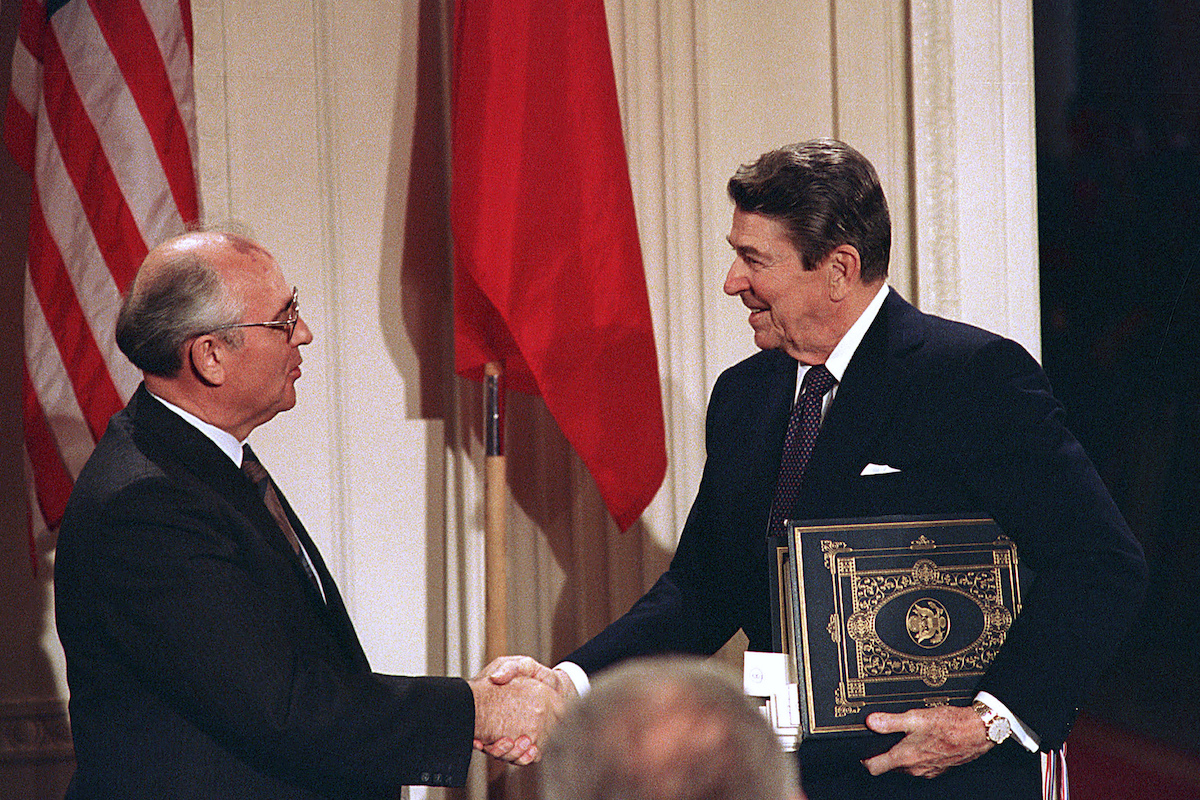
Of all the writers in the limited universe of Reagan biographers (myself included), William Inboden is one I have never met. His Amazon page shows only one previous book. I was surprised by the release of his major work on Reagan, The Peacemaker: Ronald Reagan, the Cold War, and the World on the Brink, covering nearly 600 pages, augmented by many endnotes referencing numerous primary sources. Continue Reading...

The Manchurian Candidate Is a Neglected Masterpiece

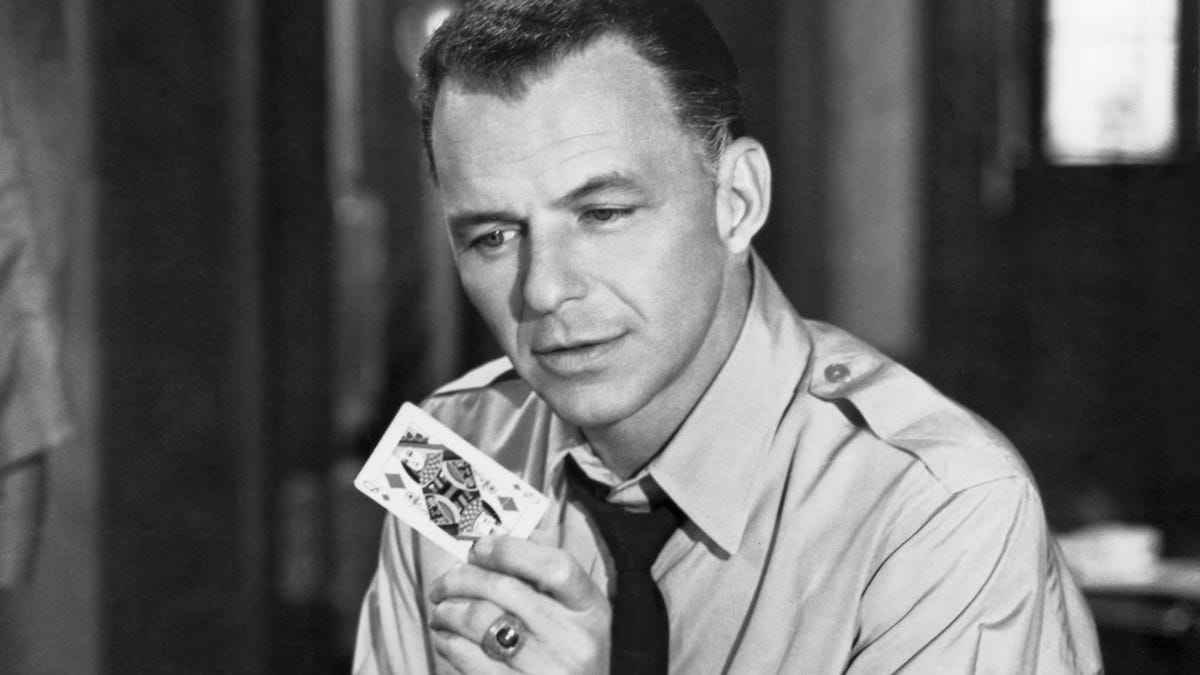
In 1959, when Richard Condon published his political thriller The Manchurian Candidate, he took a topical idea and ran amok with it. The idea was that during the Korean War a platoon of GIs had been captured by the Chinese, brainwashed (“not just washed, but dry-cleaned”), and released back home to do the enemy’s bidding. Continue Reading...

Video: Avik Roy on the end of cultural conservatism as we know it

Bill Buckley and Russell Kirk were leaders in building a movement of cultural conservatism to counter the dominant strain of liberalism that governed American politics following World War II. This movement would eventually lead to the presidency of Ronald Reagan and the end of the Cold War, as well as the rise of Republican congressional leadership in the 1990s and following. Continue Reading...

How Hockey Helps Us Understand Russia

To celebrate his 63rd birthday last week, Russian Prime Minister Vladimir Putin participated in an exhibition hockey game. This was no ordinary pond hockey, however. It featured a cast of former NHL and professional stars. Continue Reading...

How Reagan Attempted to Use Religious Freedom to Reshape Russia

Earlier this month I argued that the moral center and chief objective of American diplomacy should be the promotion of religious freedom. When a country protects religious liberty it must also, whether it intended to or not, recognize a host of other freedoms, such as the freedom of assembly, freedom of conscience, and freedom of speech. Continue Reading...