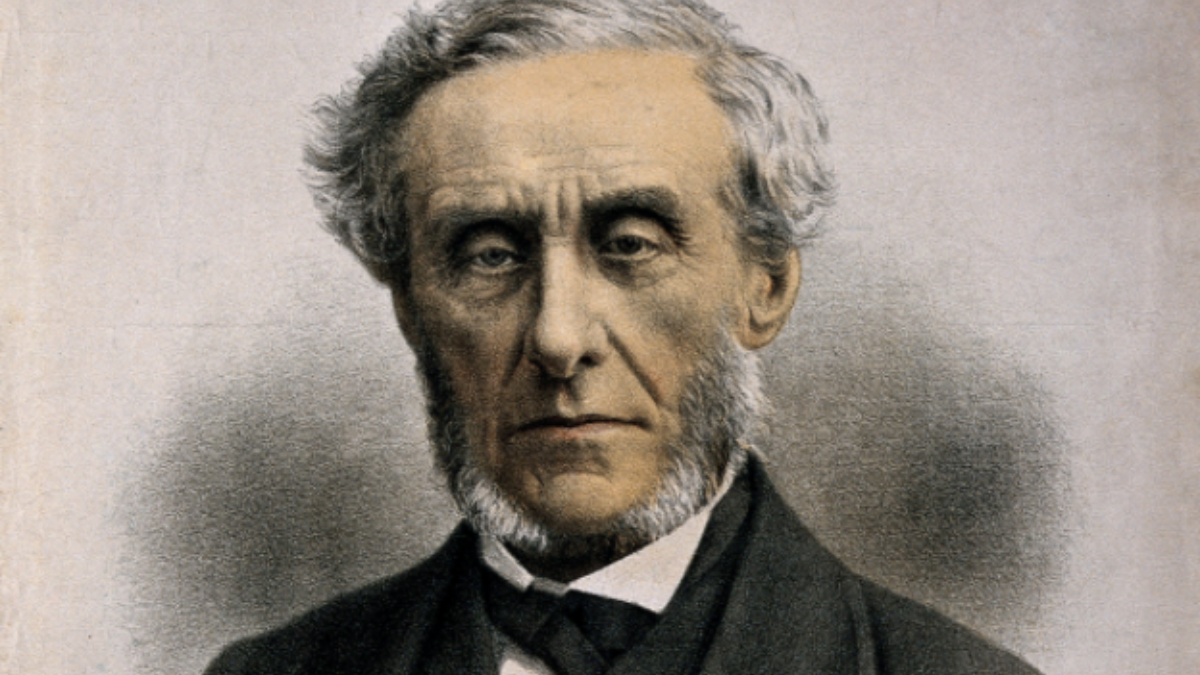
Rev. Dr. Richard Turnbull is director emeritus of the Centre for Enterprise, Markets and Ethics and a trustee of the Christian Institute. He holds a degree in economics and accounting and served as the youngest ever member of the Press Council. Richard also holds a first class honours degree in theology and Ph.D. in theology from the University of Durham. He was ordained into the ministry of the Church of England in 1994.
Richard served in the pastoral ministry for over 10 years. He was also for 7 years the Principal of Wycliffe Hall, Oxford. He has authored several books, is a Fellow of the Royal Historical Society and a visiting Professor at St Mary’s University, Twickenham.
Posts by Richard Turnbull
October 19, 2023
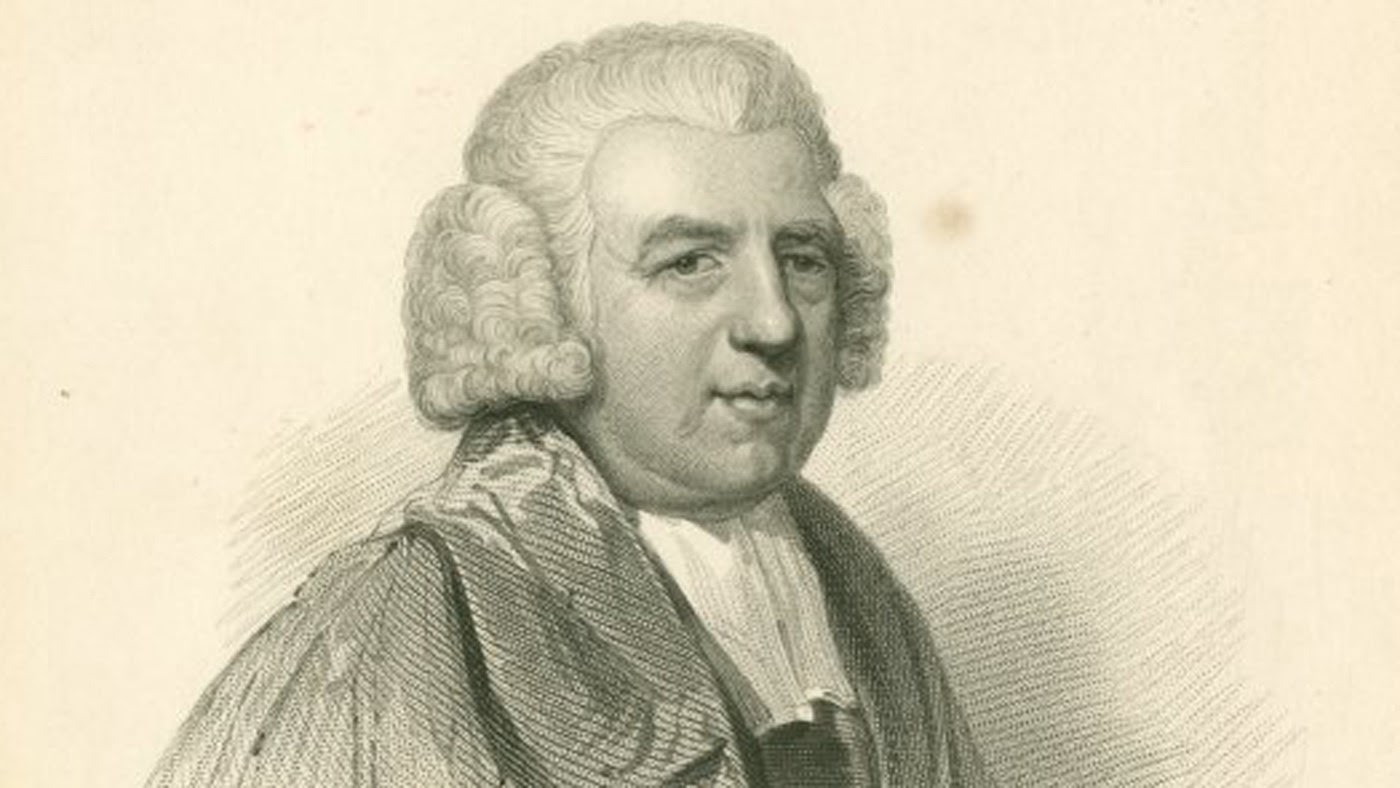
John Newton (1725–1807) is a pivotal figure in the English evangelical revival or awakening. His is an early example of a settled evangelical ministry in the second half of the 18th century, involving pastoral work, hymn-writing, and even mentoring the likes of a William Wilberforce.
Continue Reading...
August 25, 2023
Among the central figures of the British evangelical revival that we have been revisiting is Selina, Countess of Huntingdon, (1707–1791). She was a source of finance and a steadying influence, and through her aristocratic connections Selina provided opportunities for the preaching of the gospel in the upper echelons of society.
Continue Reading...
July 14, 2023
From the 1830s onward, a movement developed in the Church of England that sought to reclaim a classic High Church tradition within Anglicanism that gave weight to the apostolic succession, sacraments, the Christian year and festivals, and liturgical order.
Continue Reading...
June 09, 2023
We have discussed so far the nature of the 18th-century evangelical revival in Britain through the eyes of the most well-known names, John and Charles Wesley and George Whitefield. From the 1740s onward, communities across the nation experienced the impact of the revival through the pioneering ministries of many more dedicated individuals, however.
Continue Reading...
May 12, 2023
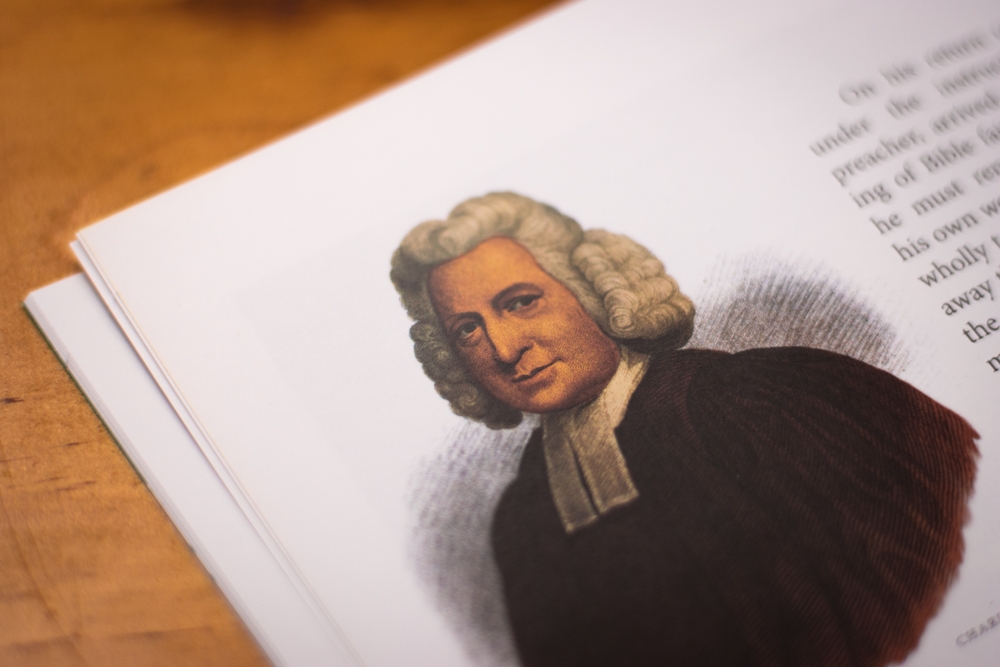
The evangelical revival we have been revisiting not only left a legacy of Christians and churches renewed and empowered but also a devotional spirituality embedded in hymn and song. Charles Wesley (1707–1788) worked tirelessly alongside his elder brother John as evangelist and pastor.
Continue Reading...
April 14, 2023
George Whitefield’s first sermon after his ordination, in June 1736, prompted a complaint to the bishop! He later printed the sermon with the title
On the Nature and Necessity of Our Regeneration or New Birth. Continue Reading...
March 24, 2023
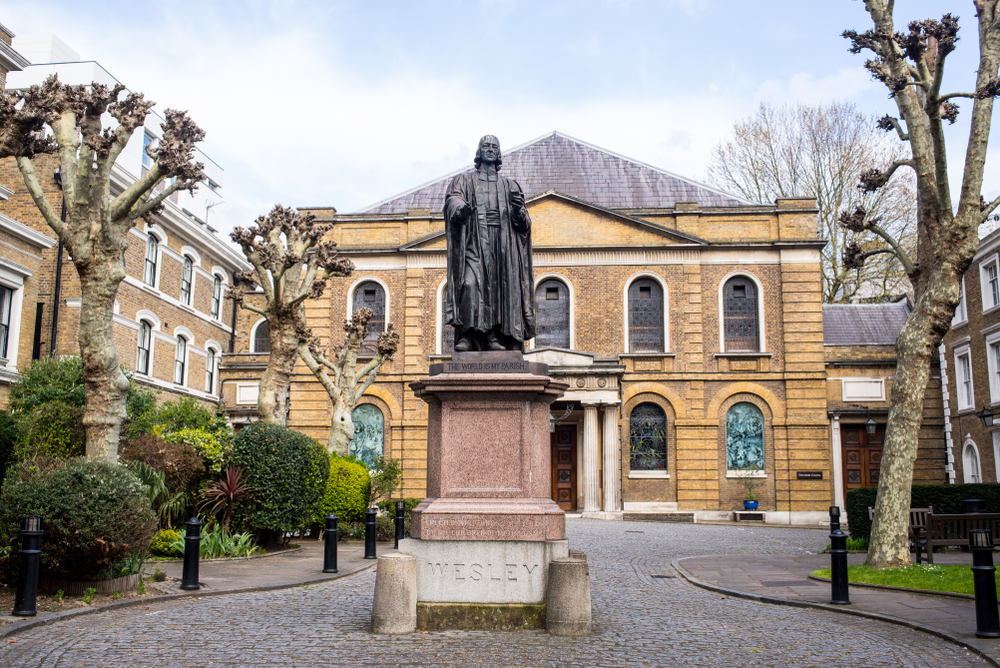
Our journey through the 18th-century evangelical revival continues in the company of John Wesley (1703–1791). Wesley was an extraordinary individual. First, he was a systematic organizer, one key reason for his legacy in Methodism—as seen most prominently in his forming of bands (3–4 people) and classes (10–12 people) for Christian education.
Continue Reading...
February 10, 2023
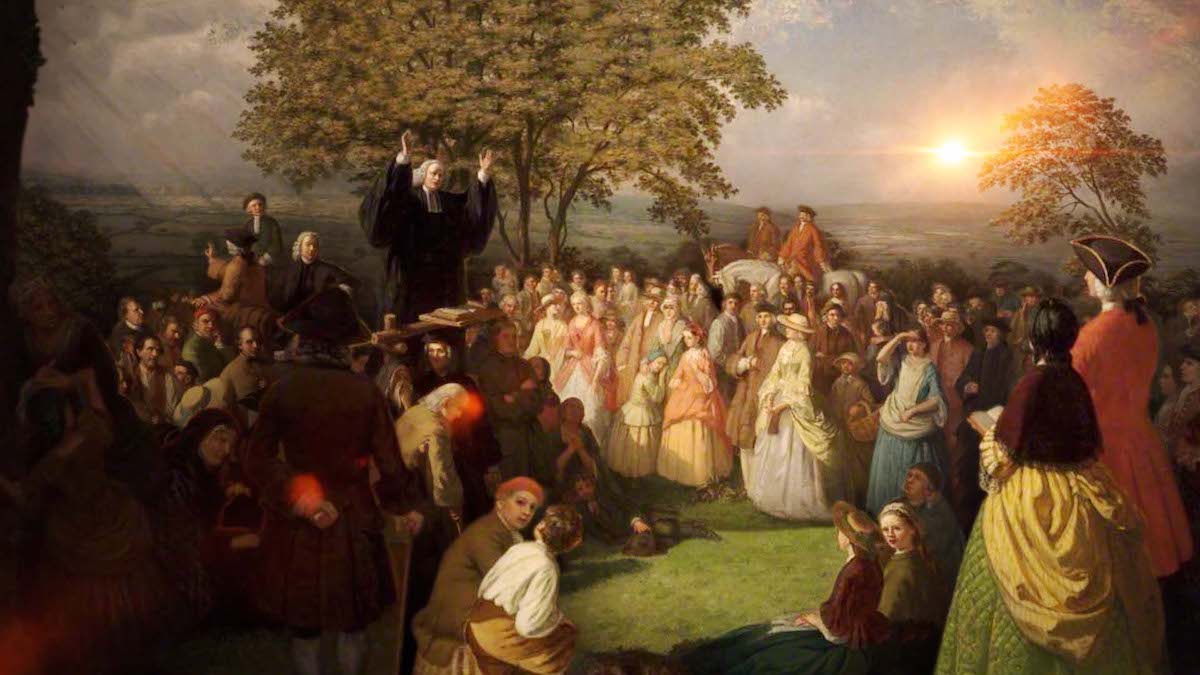
In the middle decades of the 18th century, a powerful spiritual movement swept through much of North America and Great Britain, as well as some parts of northern Europe. This evangelical revival (or, in North America, the Great Awakening) transformed not only individual believers but culture and society as well, and produced some extraordinary personalities, people used mightily by God.
Continue Reading...
October 21, 2022
Boris Johnson, though deeply flawed, was the glue that held the British Conservative Party together. His electoral reach, charisma, and commitment to deliver Brexit put together a huge majority of 80 seats over all other parties combined in the 650-seat House of Commons.
Continue Reading...
September 30, 2022
“I want nothing but usefulness to God and my country” (
Diaries, February 22, 1827)
When the funeral procession of Lord Shaftesbury progressed through the streets of London toward Westminster Abbey on October 8, 1885, thousands of people lined the streets, bands gathered to play Christian hymns, and hundreds of banners were held high with Bible verses.
Continue Reading...