Acton Institute Powerblog Archives

Post Tagged 'church of england'

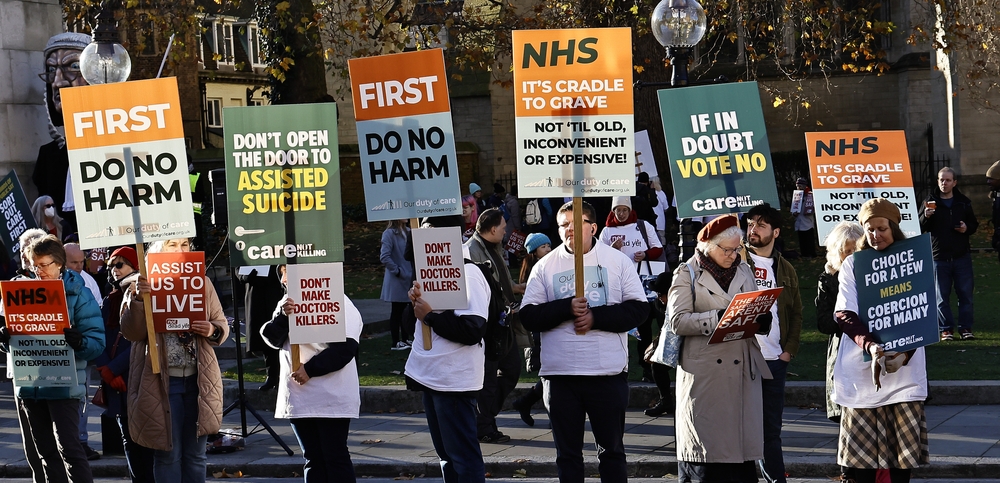
Assisted Dying in the UK: Let’s Win the Argument on Principle

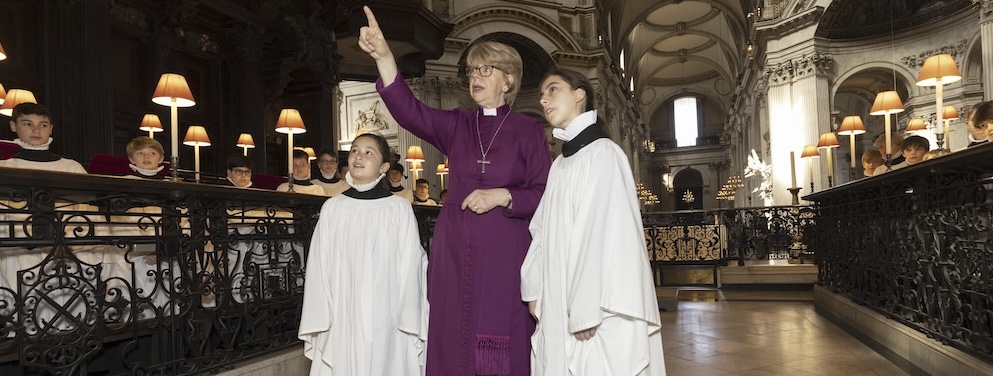
The House of Lords, with its resplendent red leather benches, a throne for the monarch at the state opening of Parliament, a rather uncomfortable-looking cushion seat (known as “the Woolsack”) from which the Speaker of the House presides over proceedings, and a host of history, architecture, and traditions, is a unique feature of the British constitution. Continue Reading...

Archbishop’s Resignation Exposes Church of England Fault Lines

The resignation of the Archbishop of Canterbury, Justin Welby, following the damning Makin Report into the heinous crimes of serial abuser John Smyth, whose severe beatings of students from as far back as the 1980s, exposes problems within the Church of England that point to long-standing doctrinal, disciplinary, and cultural issues that will both determine who takes his place and how the church has come to this sorry pass. Continue Reading...

Anglican Churches No Longer ‘Churches’

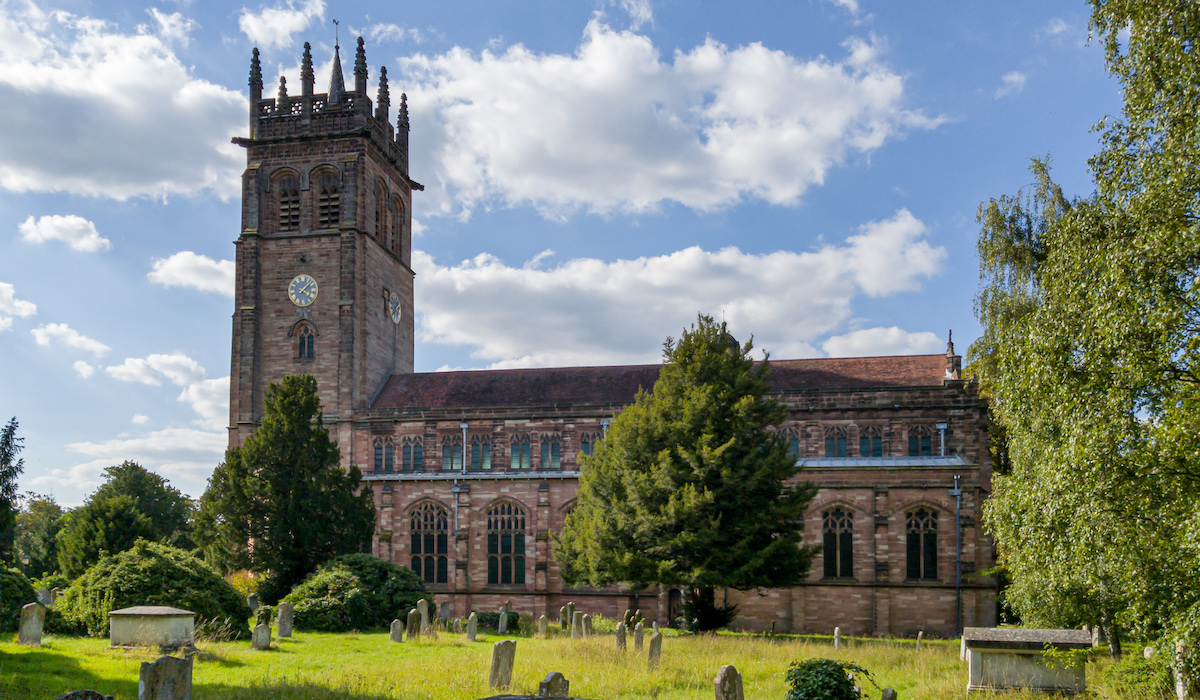
What on earth is an “NWC”? Well, options include Northwest College, Wyoming, and the National Water Council, an obscure statutory government agency in Britain. Thanks, Google. According to a report from the rather grand-sounding Center for Church Planting Theology and Research, based within a Church of England seminary at the University of Durham, NWC means “new worshipping community.” Continue Reading...

The “National Apostasy” of John Keble

From the 1830s onward, a movement developed in the Church of England that sought to reclaim a classic High Church tradition within Anglicanism that gave weight to the apostolic succession, sacraments, the Christian year and festivals, and liturgical order. Continue Reading...

John Wesley: The World Is My Parish

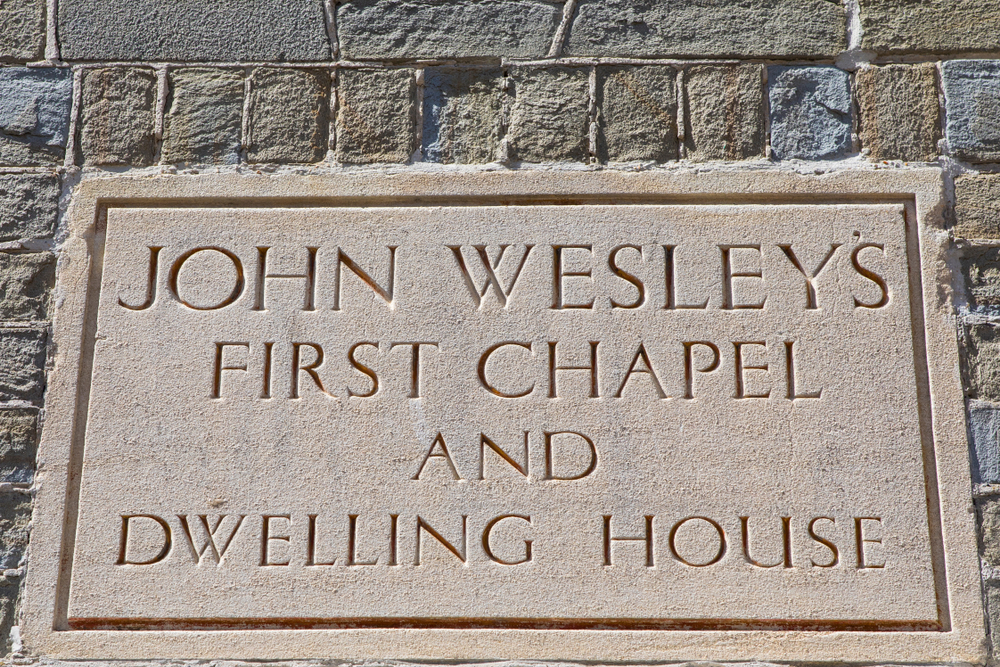
Our journey through the 18th-century evangelical revival continues in the company of John Wesley (1703­–1791). Wesley was an extraordinary individual. First, he was a systematic organizer, one key reason for his legacy in Methodism—as seen most prominently in his forming of bands (3–4 people) and classes (10–12 people) for Christian education. Continue Reading...

The ‘evil’ unleashed by Abp. Justin Welby

The Archbishop of Canterbury, Justin Welby, has denounced an increasingly prevalent working relationship as “evil.” However, a new report shows the condition he abjured as immoral has been exacerbated by another economic practice that he favors and advocates – that is, by the archbishop’s standards, his fiscal advice inadvertently increases “evil.” Continue Reading...